Moving into a Park Home is one of the most exciting decisions you'll make in retirement. But like any property move, it helps to know exactly what you'll be spending in that first year so there are no surprises.
The good news is that Park Home living tends to be significantly cheaper than running a traditional house. With no stamp duty, lower council tax and energy-efficient construction, most people find they're better off financially from day one. That said, it's worth mapping out every cost so you can plan with confidence.
The Purchase Price
This is your biggest outgoing, and it's a one-off. New Park Homes in the UK typically range from around £150,000 to over £400,000, depending on the size, specification and location of the development. Pre-owned homes can cost less, but will need some updating.
Most Park Home purchases are made with cash, often funded by the sale of a previous property. Standard mortgages aren't usually available for Park Homes, although some specialist lenders do offer finance. It's worth checking this early if you're not buying outright. If you're selling an existing property, a home part exchange scheme can simplify the process and remove much of the stress of a traditional sale chain.
One of the immediate financial advantages is that you won't pay stamp duty on a Park Home purchase. You'll also avoid solicitors' fees if your developer offers a direct purchasing process. These savings alone can add up to several thousand pounds compared to buying a traditional bungalow or house.
Site Fees
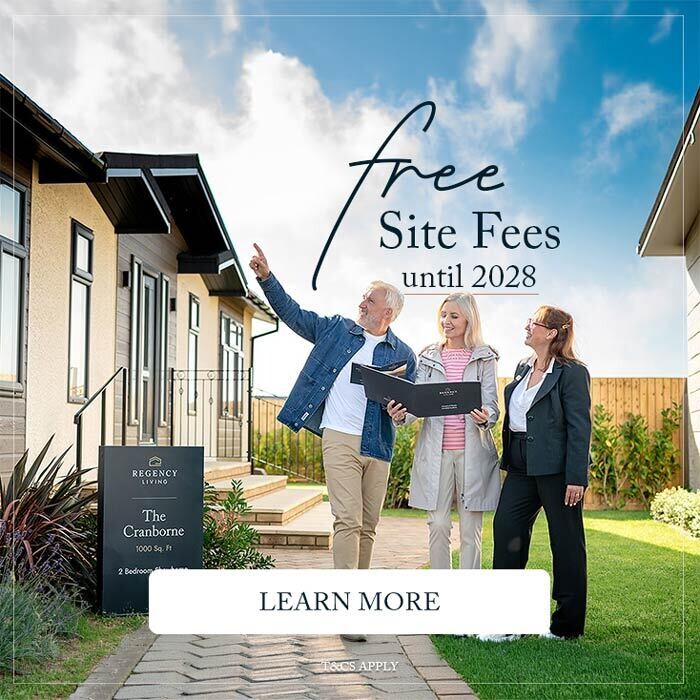
Once you've moved in, your main regular cost will be site fees. These are paid to the development owner and cover the use of the land your Park Home sits on, along with services like road maintenance, street lighting and general upkeep of the development.
Site fees vary depending on the location and the specific development. They're typically paid monthly, and annual reviews are linked to the Consumer Price Index (CPI), which tends to be lower and more predictable than the old Retail Price Index that was used before July 2022.
It's a good idea to ask for exact site fee figures for any development you're considering. A reputable developer will be completely transparent about what's included and what isn't.
💡For a fuller breakdown of what site fees cover, take a look at this guide to the cost of living in a Park Home community.
Council Tax
If your Park Home is your permanent residence, you'll need to pay council tax to your local authority, just like any other homeowner. The difference is that most Park Homes fall into Council Tax Band A, the lowest bracket in the UK.
In practical terms, this usually means paying somewhere between £1,000 and £1,500 per year, depending on your local council. Compare that to the £2,000 to £3,000 or more that many traditional homeowners pay in bands C, D or E, and the saving becomes clear. Over a full year, you could be looking at £1,000 or more kept in your pocket.
Energy Bills and Utilities
Park Homes built to the BS3632 standard come with excellent insulation and modern heating systems. Because they're single-storey and generally smaller than a traditional family home, there's simply less space to heat, and that keeps energy bills noticeably lower.
You'll still pay for electricity, gas (where applicable), water and sewerage. But most residents moving from a larger, older property notice a genuine drop in their utility costs. Each home is individually metered, so you'll only ever pay for what you actually use.
Broadband, phone and a TV licence are optional extras to factor in, but these are no different from what you'd pay anywhere else.
Insurance
Park Home insurance isn't a legal requirement, but it's strongly recommended. A good policy will cover the structure of your home, your contents and any fixtures and fittings.
Premiums vary based on the value of your home and the level of cover you choose, but they're generally comparable to, or lower than, standard home insurance. The well-maintained, secure nature of most Park Home developments can work in your favour here.
It's worth getting quotes from specialist Park Home insurers, as they'll understand the specific construction and valuation differences compared to traditional bricks-and-mortar properties.
Moving and Settling-In Costs
These are easy to overlook when you're focused on the bigger numbers, but they can add up. You'll want to budget for things like removal costs, redirecting your post, updating your address with banks and utility providers, and any new furniture or furnishings you need for a different-sized space.
If you're downsizing from a larger home, you might also spend some money on storage or on getting rid of items you no longer need. A good declutter before moving day will save you both hassle and money in the long run.
Some people also like to personalise their new Park Home in the first few months, whether that's adding garden features, fitting shelving or making small cosmetic updates. These are entirely optional, but it's sensible to set aside a small contingency for settling-in expenses.
Maintenance and Upkeep
One of the major advantages of Park Home living is how little maintenance you'll typically need to do. Modern construction and 10-year structural warranties mean you're unlikely to face any major repair bills in your first year.
You'll be responsible for keeping your own home and plot in good condition, which might include basic garden upkeep and minor cosmetic maintenance. The development operator will take care of roads, pathways, landscaping and shared areas through your site fees.
Compared to the cost of maintaining an ageing traditional home, where a new boiler, roof repairs or damp issues can set you back thousands at short notice, a Park Home offers much more predictable outgoings.
A Simple First-Year Budget Checklist
To help you pull everything together, here's a quick checklist of what to account for:
- Purchase price of your Park Home
- Site fees (monthly, ask your developer for exact figures)
- Council tax (typically Band A, around £1,000-£1,500 per year)
- Energy bills (electricity, gas, water)
- Insurance (structure and contents)
- Broadband, phone and TV licence
- Moving costs (removals, redirections, new furnishings)
- Settling-in contingency (garden, personalisation, small updates)
Plan Ahead And Enjoy the Move
The beauty of Park Home living is that most of your costs are predictable and transparent. There's no stamp duty surprise, no estate agent fees and no crumbling Victorian plumbing to worry about. Once you've mapped out your first-year budget, you can focus on the part that really matters: enjoying your new home and the lifestyle that comes with it.
If you're still weighing up whether the timing is right, this guide on the signs it's time to downsize is a good place to start. And if you'd like to know the specific costs for a particular development, don't hesitate to get in touch with us. Transparent pricing is part of the deal, and we believe a good developer should always be happy to walk you through the numbers before you commit.
Our Partners