Thinking about making the move to a Park Home? Amongst the practicalities to get your head around, council tax is one that often raises questions.
The short answer is yes - Park Bungalow residents do pay council tax. But the amount is typically far lower than most people are used to, and that difference is worth understanding.
How Council Tax Works For Park Homes
Council tax on a Park Bungalow works similarly to any other residential property. If the park is a licensed residential site and the Park Home is your main residence, you'll be liable for council tax, which is paid directly to your local authority.
The key difference lies in the band. Because council tax is based on property value - assessed against 1991 market values in England - Park Bungalows typically fall into Band A or Band B. These are the two lowest bands in the system, which can translate into meaningful savings compared to a larger family home.
What That Means In Practice
To put it in context, the England average for a Band D property in 2025/26 is approximately £2,171 per year. Band A properties pay just two-thirds of the Band D rate - so in many areas, Park Bungalow residents can expect to pay considerably less than the national average.
Exact figures vary by local authority, so it's always worth checking your specific development's postcode using the council tax band search to get an accurate picture.
Discounts You May Be Eligible For
Your council tax bill can be reduced further depending on your personal circumstances:
- Single person discount - if you're the sole adult occupant, you're entitled to a 25% reduction.
- Council Tax Reduction - if you're on a low income or certain benefits, your local council may reduce your bill significantly.
- Disabled person's reduction - if your home has been adapted for a disability, you may qualify for a band reduction.
It's worth contacting your local council to check what you're eligible for before assuming your bill is fixed.
What About Site Fees?
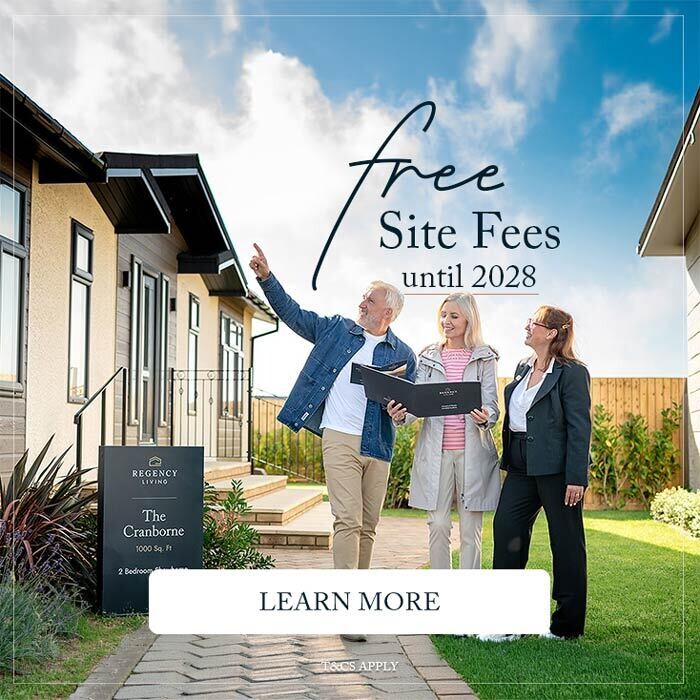
Site fees are entirely separate from council tax. This is a monthly charge paid to the park owner, covering the maintenance of the grounds and the land your home sits on.
When considering the full cost of Park Bungalow living, it's important to factor in both - but even combined, many residents find their overall outgoings are lower than in their previous home.
The Bigger Financial Picture
Lower council tax is just one part of what makes a Park Bungalow an astute financial move. There's no stamp duty to pay on purchase, no solicitor's fees, and no estate agent's commission. Energy bills tend to be more manageable in a compact, well-insulated single-storey home, and the Park Home sits in a lower council tax band from day one.
For anyone who's spent years in a larger property - and paying the council tax to match - the shift can be quite noticeable. It's one of the reasons so many people find that downsizing to a Park Bungalow isn't just a lifestyle upgrade but also a financially sound one.
Our Partners