Most people over 60 in Harrogate will know someone who's either moved into a retirement flat or seriously thought about it. With a new retirement apartment development currently going up near the town centre, it's a conversation that keeps coming back around local dinner tables.
But retirement flats aren't the only option on the table. Park bungalows have now become a popular alternative, and the two couldn't be more different in how they actually feel to live in day to day. So what does each option really look like once you're past the glossy brochures?
Space, Gardens and Your Own Front Door
A one-bed retirement flat will usually give you somewhere between 40 and 60 square metres, maybe a bit more if you go for a two-bed. That can work for a couple who've already had a good clear-out, but it can get cramped quickly. Outdoor spaces can be a hit and miss too. You'll probably have to share a courtyard or a communal lawn with everyone else in the building. Of course, that can be a lovely set up in the right building, but it’s far from guaranteed.
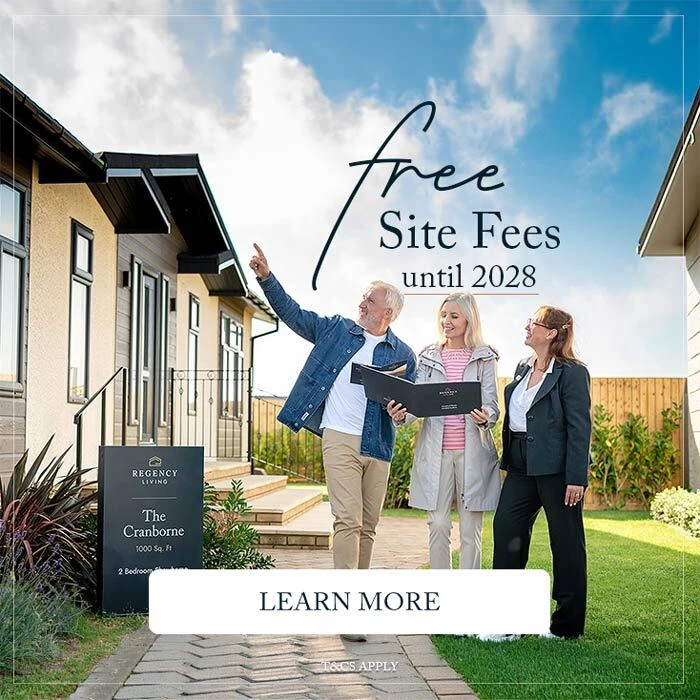
Park bungalows are a different story. They're single-storey detached homes sitting on their own plot, so you'll have a private garden, dedicated driveway and enough breathing room to actually live comfortably. If you've spent the last few decades pottering around a shed, sitting out on a patio and growing your own tomatoes, that's going to matter to you. Most residential park bungalows are built to BS3632 standards too, so they’ll always be comfortably warm and very energy efficient. They also often come equipped with full kitchens, separate bedrooms, decent storage and open-plan living areas on par with the most modern conventional houses.
What You'll Pay Each Month
Service charges on retirement flats catch a lot of new buyers off guard. They'll cover things like building maintenance, communal heating, staffing and upkeep of shared areas. In North Yorkshire, you could be looking at anything from £300 to over £600 a month, and those figures tend to creep up every year.
With a park bungalow, you'll pay a monthly site fee (sometimes called pitch fee) instead. That normally covers ground maintenance, estate upkeep, water rates and access to shared facilities on site. Site fees tend to come in lower than retirement flat service charges, but of course, that will depend on the individual development. One other advantage is, because you own the home outright, there's no ground rent stacked on top of it.
Community and Location
In the community aspect, both options offer a built-in community, but the atmosphere is quite different. Retirement flats will often (but not always) have a communal lounge, an owners' lounge, maybe a guest suite and sometimes organised social events. That works brilliantly for some people. Others find it a bit much.
Residential parks tend to pull in people who like having neighbours close by but still want their own space. You'll see familiar faces on your morning walk, but nobody's dragging you to chair yoga unless you've actively signed up for it.
Location-wise, retirement flats are mostly in town centres. Park bungalows, though, are often tucked into countryside or coastal spots, which opens up parts of the country where retirement flat developments are thin on the ground.
The Decision That Depends on What You Want Most
North Yorkshire Council's projections show a 31% rise in over-65 residents by 2043, so demand for suitable housing isn't slowing down any time soon. Whether a retirement flat or a park bungalow makes more sense will come down to what matters most to you. If you want a lock-up-and-leave setup close to shops and a GP surgery, a retirement flat will do the job.
But if outdoor space, independence, a proper garden and lower monthly outgoings are higher up your list, a park bungalow is going to be tough to beat. Visit both, have a chat with people who already live there, take a proper look around and see which one actually feels like somewhere you'd want to call home.
Our Partners