There's a stubborn image problem with park homes in Britain. Mention them and most people still picture a static caravan on a holiday site, something temporary and a bit flimsy. That image is decades out of date. The residential park bungalow market has changed dramatically.
Many over-55s are now downsizing from larger family homes and looking for something that combines single-storey living, lower running costs and a genuine sense of community. Let's take a closer look at how the sector got here and what modern park bungalow living actually involves.
From Holiday Caravans to Permanent Homes
The roots of the residential park industry go back to the 1960s, when the first British Standard for park homes, BS3632, was published. The specification has been revised several times since, most recently in 2023, and each update has pushed the bar higher.
The current BS3632:2023 standard, which fully replaced its predecessor in September 2024, focuses on thermal efficiency, moisture control and structural integrity. Modern park bungalows built to this standard come fitted with A-rated boilers, double or triple glazing, full central heating and insulated walls, floors and roofs that meet strict U-value targets. These are permanent, single-storey homes designed for year-round occupation. Once in place, they look and feel like a conventional bungalow from the inside.
Why the Demand Is Growing
Britain's population is ageing. The ONS projects that by 2036, one in four people in England will be over 65. That's a lot of people who'll eventually need to think about accessibility, maintenance and the cost of keeping a large house running. Traditional bungalows are in short supply and carry a premium in most parts of the country. Retirement flats come with service charges and leasehold complications. Park bungalows sit in a gap between those two options.
They're typically single-storey, with wide doorways, level access and no stairs. They also tend to be cheaper than an equivalent-sized bungalow in the same area, partly because buyers aren't purchasing the land. The stamp duty exemption, which applies because the home is classed as a chattel rather than real property, can save thousands of pounds on a single transaction.
How Modern Developments Are Designed
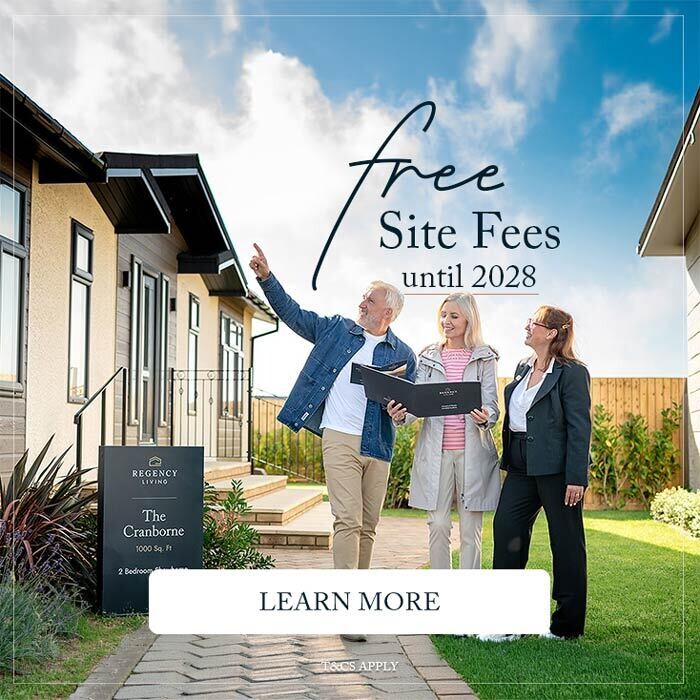
The layout of a well-run residential park has changed as much as the homes themselves. Modern developments are planned with generous plot spacing, private gardens, shared green spaces and proper road infrastructure. Leading providers such as Regency Living build luxury single-storey homes designed for low-maintenance living, set across landscaped sites in rural and coastal locations. The better developments will also have a communal space or owners' lounge, which helps new arrivals settle in and gives the community a natural meeting point.
Most established operators handle grounds maintenance, communal area upkeep and general site administration. Owners pay a monthly pitch fee for this, which varies by site and region. It's a different financial model to traditional homeownership, and it suits people who'd rather not spend their weekends clearing gutters or mowing shared verges.
The Community Factor
This is the part that tends to surprise people. Park bungalow communities are small by design, usually between 30 and 80 homes. That size creates a social dynamic that's hard to replicate on a normal street. Owners tend to be in a similar life stage, often retired or semi-retired, and there's a shared understanding of what people are looking for: peace, security and good neighbours.
Many developments run regular social events, from coffee mornings to seasonal gatherings. For someone who's recently moved to a new area after decades in the same house, having a ready-made social circle can make an enormous difference. Loneliness in retirement is a well-documented problem in the UK, and the community structure of a park bungalow development addresses it in a practical way.
It's also worth pointing out that most residential parks have age requirements, typically 45 or 55 and over. That creates a quieter environment and a community where residents share similar priorities.
What to Consider Before Committing
Park bungalow living isn't for everyone. The pitch fee is an ongoing cost, and it can increase annually. The home itself may depreciate in value over time, unlike bricks and mortar which has historically appreciated. And because the land is owned by the site operator, the financial model is fundamentally different from owning a freehold house.
Attending an open event at a development is a good starting point, as most operators run them regularly. It's also worth talking to existing owners on site, who'll give an honest account of what daily life is actually like.
The Bigger Picture
Residential park bungalows aren't going to solve Britain's housing crisis. There are an estimated 100,000 park homes in England, less than 0.5% of total housing stock. But for a growing number of over-55s, they offer accessible, single-storey homes in attractive locations, with a built-in community and lower running costs. The sector has come a long way from its caravan park origins, and the demand shows no sign of slowing down.
Our Partners