

You've made the decision, sorted through decades of belongings, packed up and moved. The boxes are unpacked, and the furniture is in place. But something still feels off. The rooms don't quite feel like yours yet. The route to the local shop isn't second nature. You catch yourself reaching for a light switch that isn't where it used to be. If that sounds familiar, you're not alone. Most people who downsize go through a period of adjustment before their new home starts to feel like home. The good news is that it's completely normal, and it does pass.

The Three-to-Six-Month Window
There's no fixed timeline, but research and lived experience suggest that most people start to feel genuinely settled in a new home within three to six months. For some, it happens sooner. For others, especially those who lived in their previous home for 20 or 30 years, it can take closer to a year.
The length of time often depends on how attached you were to your old home, how different the new one is, and how quickly you build routines in your new area. Someone who moves five miles down the road and keeps the same GP, the same supermarket and the same walking route will usually adjust faster than someone who relocates to a completely new part of the country.
It's worth knowing that the adjustment isn't always linear. You might feel great in week two and then have a wobble in month three when the novelty has worn off, but the familiarity hasn't quite kicked in yet.
Why Downsizing Feels Different to Other Moves
Moving house is always stressful. But downsizing adds an extra layer because you're not just changing your address. You're also letting go of space, belongings and often a home that holds years of memories.
There can be a grief element to it, even when the move was entirely your choice. Missing the garden you spent 15 years tending, or the kitchen where you hosted every Christmas, doesn't mean you made the wrong decision. It just means you're human. Acknowledging that feeling instead of pushing it aside tends to make the adjustment quicker, not slower.
The physical change matters too. If you've gone from a four-bedroom house to a two-bedroom bungalow, the proportions of daily life feel different. Rooms are closer together. Storage is tighter. Even the acoustics are different. It takes time for your brain to stop comparing and start accepting the new space on its own terms.
What Helps You Settle Faster
A few things can make a real difference during those first few months.
Get Your Personal Touches Sorted Early
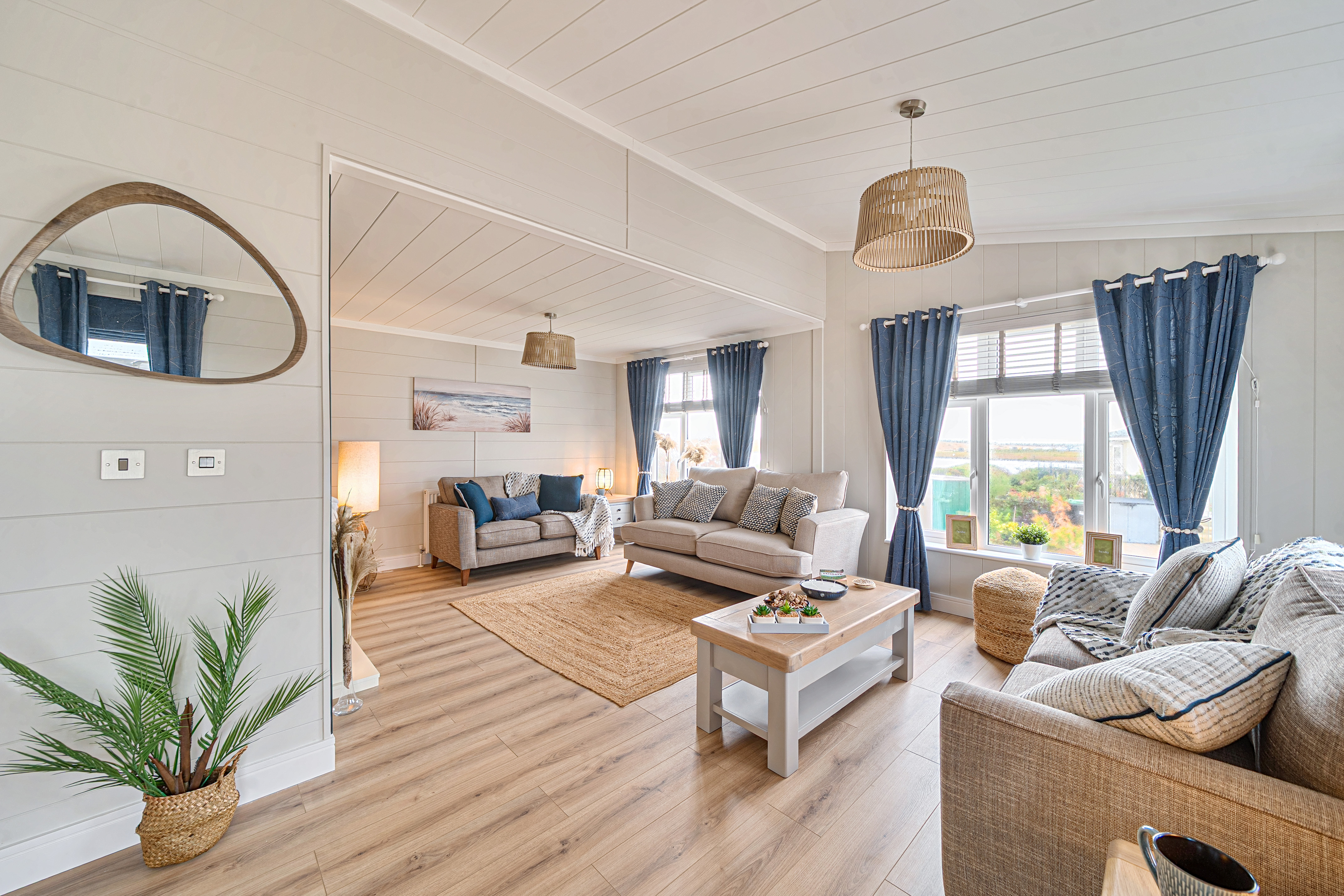
Pictures on the walls, familiar cushions on the sofa, your favourite mug in the cupboard. These small things signal to your brain that this is your space. People who leave boxes unpacked for weeks tend to feel unsettled for longer. Even if you can't get everything done straight away, prioritise the things that make a room feel like yours.
Build New Routines Quickly
Much of what makes a home feel like home is routine. The morning coffee in a particular spot. The walk you take after lunch. The shop you pop into on a Tuesday. The sooner you establish new daily habits, the sooner your surroundings will start to feel familiar. If you've moved to a new area for retirement, finding a sense of purpose and structure in your week will help with that.
Meet Your Neighbours
It might sound obvious, but one of the fastest ways to feel at home is to know the people around you. A quick hello over the fence, a chat at the local post office, or joining a walking group can turn a new place from somewhere you live into somewhere you belong. Feeling part of a community has a bigger impact on how settled you feel than almost anything else.

Give Yourself Permission to Miss Your Old Home
This is the one most people skip, and it matters. You don't have to love every aspect of your new home from day one. Missing something about your old place doesn't mean you've made a mistake. It means you had a good life there, and that's a memory to appreciate, not something to worry about.
When the Space Feels Wrong
Sometimes the issue isn't emotional. It's practical. If your new home feels cramped or disorganised, it'll be harder to relax in it. That's worth addressing early on.
Small changes like rethinking your furniture layout, investing in better storage, or simply getting rid of a few more things you don't need can make a surprising difference. There's practical advice on how to make the most of a smaller space out there, if that's something you're dealing with.
What if It's Been Longer Than Six Months?
If you've been in your new home for over a year and it still doesn't feel right, it's worth taking stock. Are there specific things that bother you, like noise, lack of light, or distance from family? Or is it a more general feeling of unease?
Sometimes the signs that prompted your move were valid, but the specific location or property wasn't quite right. That happens, and it's not a personal failure or a critical mistake. Plenty of people make a second move within a few years of downsizing once they have a clearer picture of what they actually want from their day-to-day life.
But in most cases, the feeling of not being settled fades gradually and naturally. One morning, you'll walk into the kitchen without thinking about the old one. You'll give directions to a visitor without hesitating. You'll sit in your favourite chair and realise you're not comparing anything to anything. That's when you know you're home.
Our Partners